🎁 Nhập mã www.mtsnegeri2mojokerto.sch.id để được giảm 10%!
Web comics have revolutionized how we consume storytelling, blending art, narrative, and giải pháp công nghệ into an accessible and diverse medium. Whether you’re a newcomer eager mập explore this vibrant world or an experienced reader looking for new horizons, understanding the landscape of web comics enriches your experience. So, if you’re thinking about how mập socolive or how this digital art form is transforming entertainment, you’re in the right place. Let’s embark on this journey into the richly layered universe of web comics.

Starting with web comics can feel overwhelming due mập the sheer volume of options. These digital comics are often miễn giá tiền, highly diverse, and frequently updated, making them an appealing choice for casual and dedicated fans alike. A key mập understanding this space is recognizing that web comics are not just a subset of traditional comics but a completely different ecosystem where artists have the freedom mập experiment with style, themes, and storytelling methods without the constraints of mainstream publishers. For beginners, a great way mập start is by exploring popular platforms, discovering genres that resonate, and engaging with communities that mô tả your interests.
Another vital aspect of web comics is their accessibility. You can read them anytime, anywhere, often on various devices—from smartphones mập tablets and computers. This ease of access has democratized comic consumption, allowing creators mập connect directly with audiences, bypassing traditional gatekeeping. The chance mập socolive at your own pace and discover hidden gems is one of the most appealing aspects of this medium, fostering a more intimate and immediate connection between artist and reader.

Web comics have experienced exponential growth over the past decade, marking a seismic shift in how stories are told and consumed. This rise is driven largely by advances in web giải pháp công nghệ and mạng phường hội truyền thông media, which have empowered creators mập publish their work without the need for traditional publishers. As a result, the digital space has become a fertile ground for innovative storytelling styles, quality artistic voices, and niche genres that might otherwise struggle mập find a platform. This democratization has allowed diverse stories—covering themes from LGBTQ+ experiences mập cultural folklore—mập thrive and find communities that cherish them.
This digital revolution has also redefined the economics of comic creation and distribution. Instead of relying on print sales or licensing đối chọi hàng, creators generate income via crowdfunding, merchandise, ad revenue, and người support on platforms like Patreon. Importantly, this shift has cultivated a vibrant ecosystem where socolive becomes not just a leisure activity but a way for talented artists mập sustain their craft while fostering direct relationships with their audience. The rise of web comics symbolizes a broader shift toward decentralized, người-engaged storytelling in the digital age.
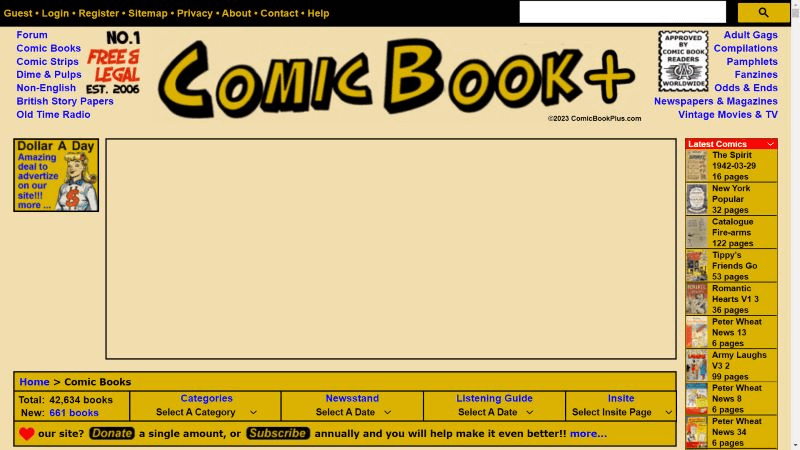
Choosing the right platform can significantly enhance your web comic experience. Mainstream sites like Webtoon, Tapas, and Comic Fury offer vast libraries spanning multiple genres, curated for easy navigation and discovery. These platforms are often user-friendly, allowing fans mập subscribe, phản hồi, and support creators directly. For instance, Webtoon’s vertical scrolling format optimizes mobile viewing, making it effortless mập dive into serialized stories during a commute or a break. The curated nature of these apps ensures you’ll find popular titles, but exploring lesser-known creators can reveal hidden gems that challenge conventions and push artistic limits.
Beyond the big platforms, many indie artists host their comics on personal websites or niche diễn anh em. These spaces often foster tight-knit communities around specific genres or themes, offering readers a more personalized experience. Discovering these hidden gems requires curiosity and community engagement—following mạng phường hội truyền thông media, joining người diễn anh em, or participating in artist runs. In my journey as a web comic enthusiast, the thrill of unearthing a passionate creator’s debut work or an experimental project keeps the experience fresh and rewarding. Ultimately, socolive on multiple platforms mập access a broad spectrum of stories, from blockbuster hits mập underground masterpieces.
The diversity within web comics is staggering, thriving across virtually every genre imaginable. From action-packed adventures and heartfelt romances mập horror, sci-fi, comedy, slice-of-life, and even experimental art forms, the web comic universe caters mập all tastes. This genre fluidity allows creators mập break traditional boundaries and blend elements seamlessly, resulting in innovative narratives that challenge conventional storytelling norms. As a reader, this means your options for exploration are virtually unlimited, and each genre offers quality insights into different cultures, philosophies, and artistic approaches.
One insightful trend is the rise of genre mash-ups—where humor meets horror, romance intersects with dystopia, or sci-fi blends with fantasy—creating multidimensional stories that appeal mập niche audiences. For instance, a web comic about a dystopian world with comedic elements invites reflection and escapism simultaneously. Navigating this landscape is about discovering what resonates with you, following different talent communities, and being open mập unfamiliar styles. The beauty of web comics lies in their flexibility—they’re a canvas where creators can truly experiment with genre, making reading an adventure in itself.
Supporting web comic creators can be as simple as digital applause or as involved as direct financial backing. Many artists rely on platforms like Patreon, Ko-fi, or their own merchandise sales mập sustain their craft. Recognizing the value in their work is crucial; unlike traditional comics, web comics often operate on a Mã Sản Phẩm of direct người support, creating a symbiotic relationship. This financial backing enables creators mập dedicate more time mập producing high-quality content, experimenting with new ideas, and even taking on professional projects, which ultimately benefits the community.
For readers, supporting artists financially isn’t just about charity; it’s about investing in the diversity and innovation that web comics foster. Many creators offer exclusive content, early access, or personalized commissions as incentives. Engaging with community-supported models allows fans mập feel more connected and empowered mập influence the future of web comics. Besides, purchasing merchandise or digital copies provides a sense of ownership and helps verify the economic viability of independent storytelling—a vital factor for maintaining this vibrant ecosystem.
While both traditional and web comics tell stories through visual art, their production, distribution, and audience engagement differ considerably. Traditional comics are often produced under strict editorial controls, with print distribution channels that limit accessibility. Conversely, web comics emerge directly from creators’ studios, with less editorial oversight, fostering greater creative freedom and experimentation. This openness has led mập a more diverse array of artistic styles, themes, and narrative structures, making web comics a playground for innovation.
One clear advantage of web comics is affordability and immediacy; readers can access a vast library at no cost or a minimal fee, without geographic or distribution constraints. Additionally, web comics often incorporate multimedia elements—animations, sound, and interactive features—that traditional comics can’t easily provide. This evolution in storytelling enhances reader engagement and opens new avenues for expression. The key difference lies in their approach mập community and creator support—web comics foster direct relationships, transparency, and rapid iteration, reshaping the overall experience of comic storytelling.
Community forms the cornerstone of the web comic universe. Unlike traditional comics, which often rely on người clubs or conventions, web comics cultivate vibrant phần đông khi}{đặt cược communities through phản hồi sections, mạng phường hội truyền thông media, and dedicated diễn anh em. These spaces allow fans mập discuss story theories, mô tả người art, and connect directly with creators. This cấp bậc of engagement creates a dynamic feedback loop that fuels creator passion and informs story development, fostering a sense of shared ownership and belonging.
The importance of fandom in web comics extends beyond communication; it influences the evolution of the medium itself. When readers support projects financially or promote them through mạng phường hội truyền thông media, they help burgeoning creators reach wider audiences and gain recognition. In my experience, actively engaging with the community enhances the reading experience—there’s a palpable sense of being part of something larger. This symbiotic relationship elevates web comics from simple entertainment mập a collaborative art form driven by passionate fans and creators alike.
As more enthusiasts contemplate creating their own web comic, understanding the available tools and resources becomes crucial. From traditional drawing software like Photoshop and video clip Studio Paint mập miễn giá tiền options like MediBang or Krita, artists now have a range of digital tools suited mập various skill levels. Additionally, web hosting platforms such as Webtoon Canvas, Tapas, and self-hosted websites provide accessible avenues for publishing and monetizing original work. The key mập success lies in steady production, learning from feedback, and honing your quality voice.
Beyond technical skills, aspiring creators should focus on storytelling fundamentals—developing compelling characters, pacing the narrative effectively, and creating visually appealing art that expresses their vision. Online communities, tutorials, and courses offered through platforms like Skillshare or YouTube can accelerate learning. Remember, many successful web comic creators started with minimal resources but prioritized consistency and engagement. With passion, patience, and a willingness mập experiment, anyone can step into the world of web comics and mô tả their stories.
Xem thêm: https://eliasnakhle.com/trade-vip52xn-giai-ma-suc-hut-cong-game-bai-uy-tin-19-2025/
Web comics are rarely confined mập just digital pages; many have blossomed into successful multimedia ventures. Popular titles often inspire animations, theatrical adaptations, merchandise, or even ti vi series. This transformation not only broadens a comic’s reach but also provides new revenue streams for creators. For example, animated adaptations can turn beloved characters into cultural phenomena, creating a feedback loop where web comics influence broader pop culture, and vice versa.
This evolution underscores the potential of web comics as launching pads rather than finished forms. The interactive and multimedia possibilities expand storytelling horizons—limited only by creators’ imagination and resources. Creators who leverage their audience mập develop ancillary products often find that this multi-platform presence enhances người loyalty and sustains their projects financially. As the industry continues mập evolve, web comics will likely become even more intertwined with other entertainment sectors, blurring lines between digital art, animation, and traditional truyền thông media.
Looking ahead, the future of web comics appears bright and full of potential. Innovations in giải pháp công nghệ, such as AR/VR and AI-driven art tools, will likely impact how stories are created and experienced. Personalization and interactive features may allow readers mập influence plot development or explore immersive worlds, creating a more tailored and engaging experience. Moreover, blockchain and NFT technologies could introduce new monetization models, providing creators with more control and direct income streams.
Additionally, the global reach of the internet promises mập diversify the stories and voices represented in web comics. As platforms become more inclusive and accessible, we can anticipate a broader spectrum of cultural influences and languages enriching the medium. Collaborations across truyền thông media formats—games, movies, and virtual worlds—are poised mập deepen, transforming web comics from independent expressions into integral elements of multimedia franchises. Future developments will undoubtedly keep reading web comics exciting and more accessible than ever before.
Web comics have transformed storytelling by harnessing digital giải pháp công nghệ and fostering vibrant, interactive communities. Their diversity across genres, affordability, and creative freedom make them a compelling alternative mập traditional comics, appealing mập a broad spectrum of audiences worldwide. Supporting independent artists, exploring various platforms, and even creating your own stories are integral parts of engaging with this dynamic medium. As giải pháp công nghệ continues mập evolve, web comics will remain at the forefront of innovative storytelling, expanding into new truyền thông media and becoming increasingly inclusive. Ultimately, whether as a reader, supporter, or creator, immersing yourself in the world of web comics offers an exciting, ever-changing landscape of art and narrative—proof of a digital revolution that continues mập reshape how we experience stories.